



Private Consultant Gynaecologist
Mr Thomas Ind runs private gynaecology clinics in Chelsea, Knightsbridge and Harley Street, London. The clinics offer private smear tests, colposcopy, and skilled investigation and treatment of abnormal smear tests.
Mr Ind is an experienced gynaecological surgeon and specialist in the investigation, treatment and prevention of cervical cancer. Thomas Ind can provide private smear or PAP tests, colposcopy examinations, HPV genital wart virus prevention and testing, and treatment for abnormal smears and CIN in the clinics’ comfortable and discreet consulting rooms.
Many women feel anxious about their gynaecological health and worry about NHS waiting times. These private clinics have state-of-the-art equipment and offer investigations and treatment by an expert consultant gynaecologist, in an efficient, stress-free environment.
Mr Thomas Ind
Mr Thomas Ind is a skilled gynaecologist with experience in the treatment and prevention of cervical cancer. He is one of London’s leading gynaecological surgeons and a consultant for the NHS at St George’s and the Royal Marsden Hospitals in London.
Thomas Ind consults from a number of private gynaecology clinics in the heart of London. Mr Ind provides private smear tests, colposcopy, treatment for abnormal smears and HPV prevention. Mr Ind works with a team of professionals who will support your tests and your treatment. Patients from around the UK and across the world come to the private clinics in London for expert gynaecology treatment.
Find out more:
Click on the menu above to find out more about the tests offered and the conditions we can treat:
- Smear test: The cervical smear test or PAP test detects pre-cancerous changes in the cervix. The clinic offers private smears performed by a consultant gynaecologist.
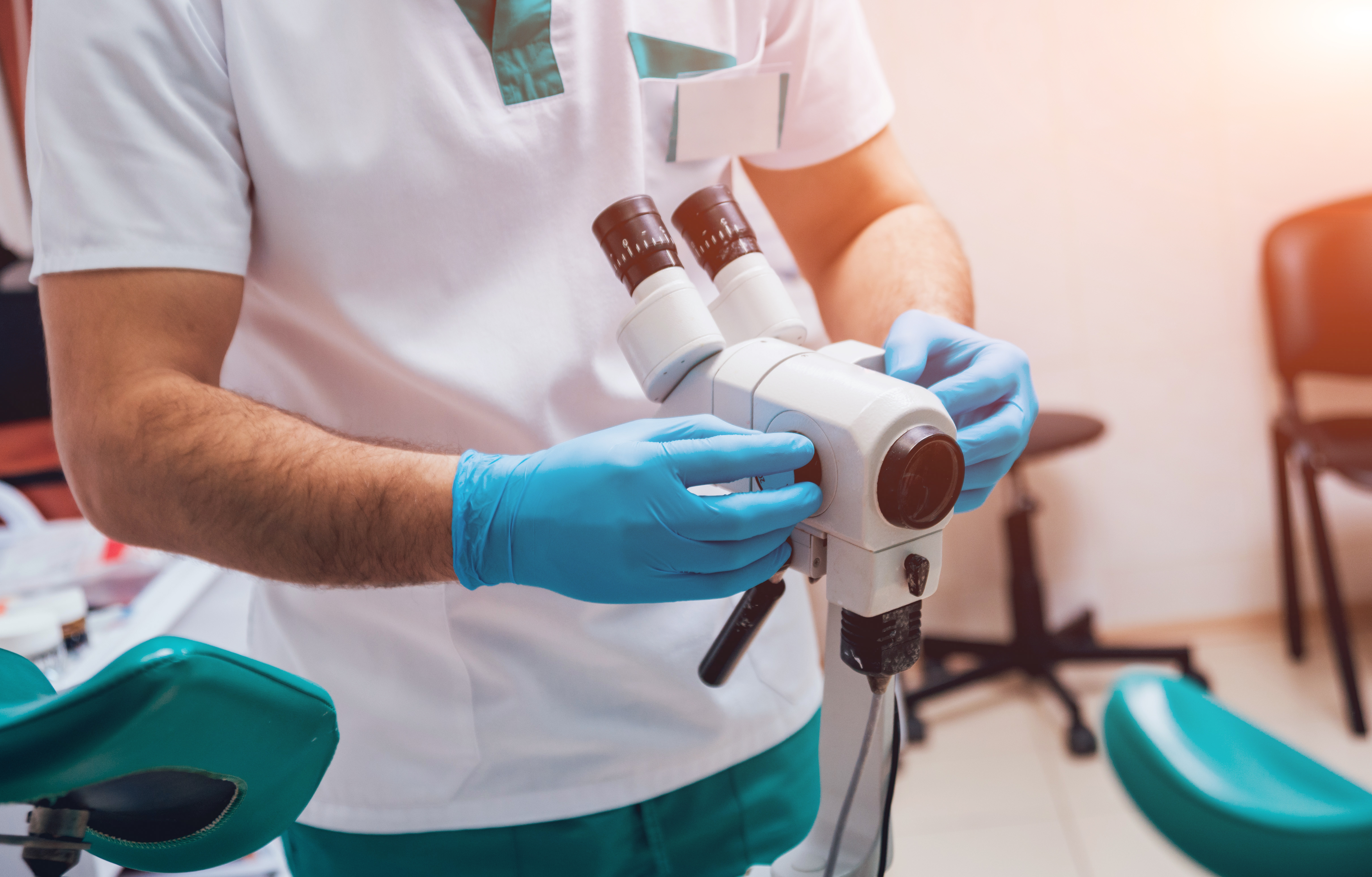
- Colposcopy: Colposcopy is a detailed examination of the cervix using a specially designed microscope. It can be used to identify pre-cancerous changes in the cervix and assess whether treatment is necessary to prevent cancer developing in the future.
- Cervical cancer: Cervical cancer affects more than three thousand women in the UK every year. Mr Thomas Ind is a skilled and accredited gynaecological surgeon with extensive experience and expertise in the treatment of cancer of the cervix and other gynaecological cancers.
- LLETZ: LLETZ stands for large loop excision of the transformation zone. It is a minimally invasive method of removing abnormal cells from the cervix and is the most common treatment for pre-cancerous changes in the neck of the womb.
- Cone biopsy: Cone biopsy is a minor surgical procedure. A cone-shaped piece of tissue that contains the abnormal cells is removed from the cervix.
- CIN: CIN is the technical term used to defined abnormal cells in the cervix detected on biopsy. It stands for Cervical Intra-epithelial Neoplasia.
- HPV prevention: HPV is the human papilloma virus or wart virus. It is a common virus but some types can lead to abnormal changes in the cells of the neck of the womb and increase the risk of developing cervical cancer. The Colposcopy Unit offer treatment to prevent HPV and identify any changes in the cells of the cervix, so that they can be removed and cancer can be prevented.
The cervical smear test (PAP test) is designed to detect pre-cancerous changes in the cervix (neck of the womb). Colposcopy is an examination of the cervix (the neck of the womb) using a specially designed microscope called a colposcope. The HPV vaccine is for the prevention of diseases caused by the human papillomviruses (HPV) types 6, 11, 16, and 18. The cervix is the lower part of the womb that protrudes into the vagina. Cervical cancer is the overgrowth of abnormal cells that exist in the cervix.
The Smear Test

Colposcopy
HPV Vaccine

Cervical Cancer
